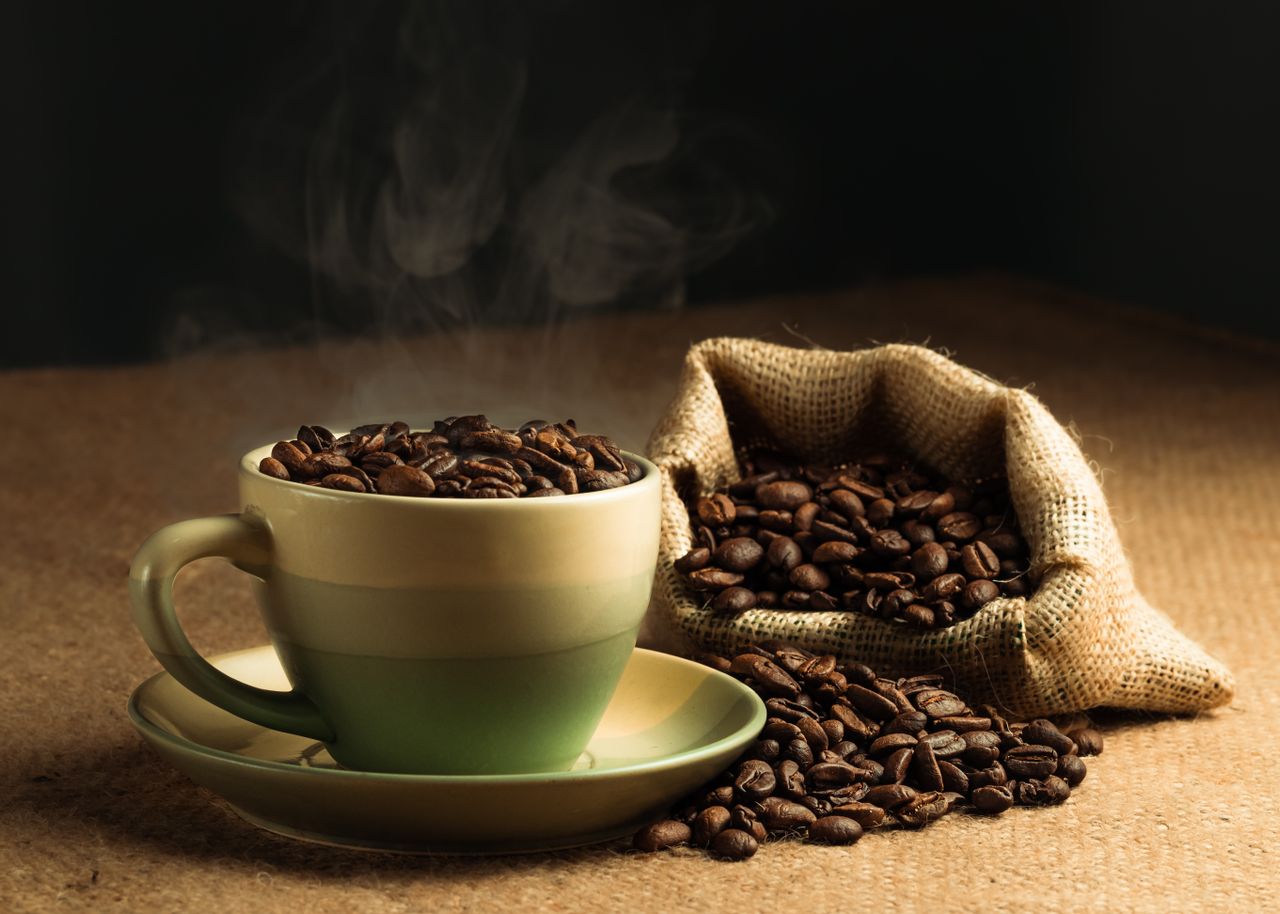
Coffee & Cocoa Trade
Green coffee and cocoa beans are traditionally shipped in burlap because the breathable weave prevents the condensation that spoils raw beans in transit.
A plain-language resource on jute burlap sacks: how they're woven, what GSM actually means, which grade suits grain, coffee, sandbags or garden décor, and how to spot a well-made sack before you spend money on one.
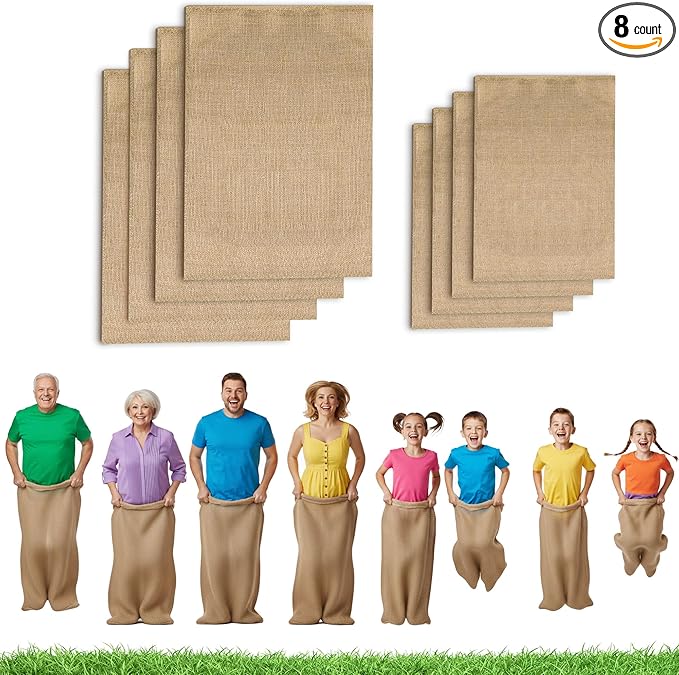
100% Jute Fiber
No synthetic blends
Fully Biodegradable
Breaks down naturally
Breathable Weave
Reduces spoilage risk
Load-Rated Seams
Grade-dependent strength
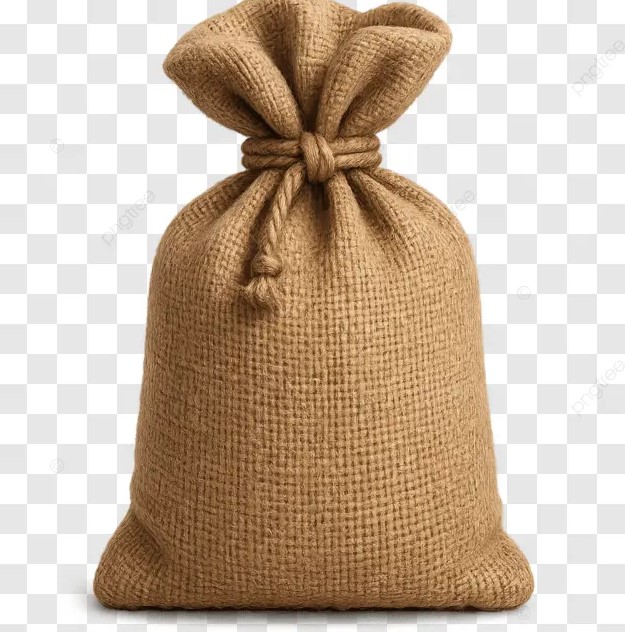
Burlap sacks are woven bags made from jute, a natural plant fiber that grows tall in the warm, wet river deltas of South Asia. Long before plastic packaging existed, burlap was already the standard for moving grain, coffee and produce around the world, and it remains a working material today rather than a relic of the past.
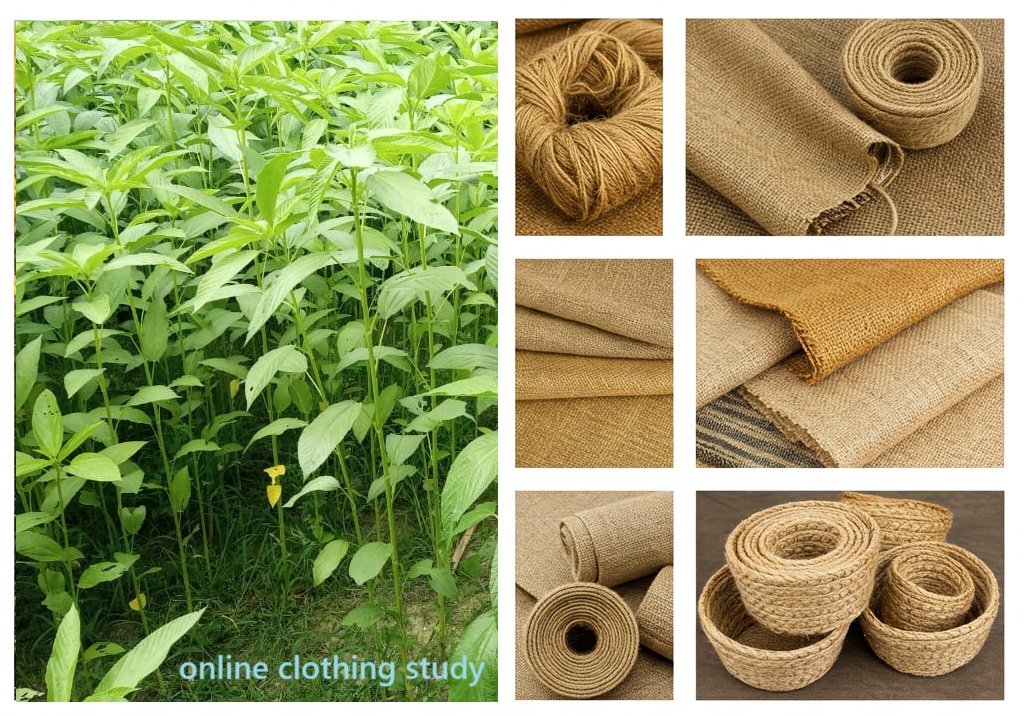
A burlap sack is constructed from coarse jute yarn spun from the stalk fibers of the jute plant, then woven on a loom in a loose, open plain weave. Each weft thread passes alternately over and under the warp threads, which is what leaves visible gaps in the fabric and gives burlap its characteristic rough, grid-like surface. That open structure is not a manufacturing shortcut; it is the reason burlap breathes, drains, and resists trapping moisture the way sealed synthetic packaging does.
These four words get used almost interchangeably, but each one means something slightly different once you're actually buying:
Jute cultivation and weaving has deep roots in the Bengal delta region, where the climate is ideally suited to the crop. India and Bangladesh remain the two largest producers of raw jute in the world, with West Bengal hosting one of the largest concentrations of jute mills anywhere, feeding export markets through the port of Kolkata. In India, government policy under the Jute Packaging Materials Act has long required certain food grains and a share of sugar production to be packed in jute sacks, which keeps demand for burlap sacking steady even as plastic alternatives expanded elsewhere.
Woven polypropylene and plastic sacking are cheaper up front, but burlap earns its keep in the places where breathability, biodegradability, and handling durability actually matter.
The open weave lets air move freely through stored goods, reducing the condensation that causes mold and spoilage in sealed containers.
Untreated jute burlap breaks down naturally in soil within one to two years, unlike woven plastic that persists for decades.
Tightly spun jute yarn gives burlap real tensile strength, and heavier industrial grades are built to carry substantial static loads without seam failure.
Jute grows quickly with minimal water and no chemical fertilizer, and a single hectare of jute plants absorbs a meaningful amount of atmospheric CO2 each growing season.
With dry storage and basic care, a burlap sack can survive multiple seasons of handling and be reused for years before it's retired to the compost pile.
Jute remains one of the most affordable natural fibers to produce, which keeps bulk burlap sacking competitive against synthetic alternatives.
Jute stalks are cut and submerged in water for a period of retting, a soaking process that loosens the fibers from the woody core of the plant.
Softened fibers are stripped by hand or machine, washed, dried, and graded. Longer, finer fibers are reserved for premium fabric, while shorter fibers become standard burlap.
The dried fibers are spun into coarse, twisted yarn. Because jute keeps some of its natural stiffness through processing, the yarn stays rougher than cotton or wool of a similar weight.
Yarn is woven on a loom using a basic plain weave, with weft threads alternating over and under the warp. Wide thread spacing leaves the open, grid-like structure typical of burlap.
Fabric is cut to size, seams are stitched for load strength, and food-grade sacks may receive an approved oil or batching treatment to control fiber dust.
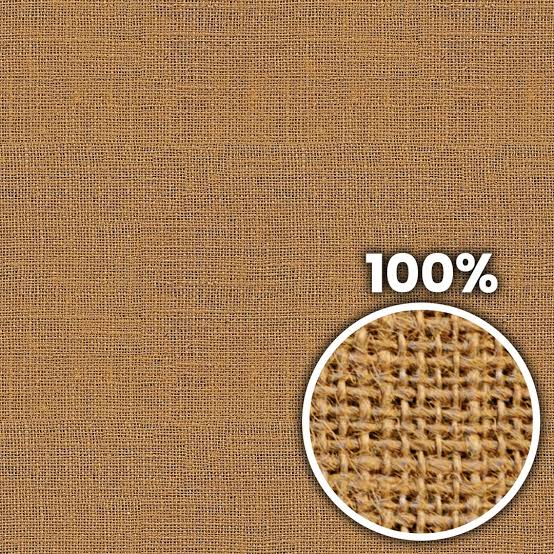
GSM stands for grams per square meter, the standard measure of how heavy and dense a burlap fabric is.
| Grade | GSM Range | Typical Use |
|---|---|---|
| Lightweight | 100–180 GSM | Crafts, décor, wreath-making, table runners |
| Medium | 180–220 GSM | Reusable retail bags, grocery totes, wrapping |
| Heavy / Industrial | 220–300+ GSM | Grain, coffee, potatoes, sandbags, construction curing |
Sack quality is not guesswork. Reputable mills inspect burlap sacks against measurable standards before they ever reach a warehouse or a store shelf. When you're comparing burlap sacks for sale, these are the same factors an inspector checks.
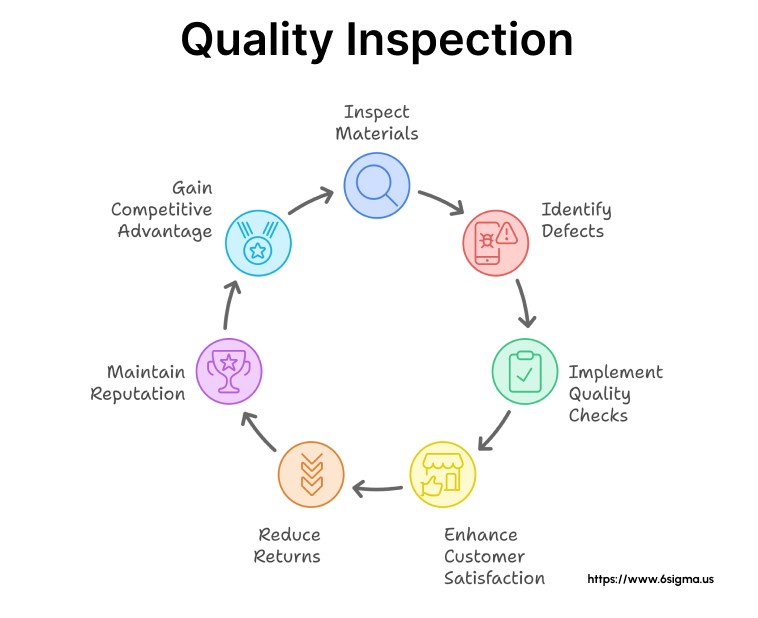
Higher GSM and tighter weave density directly increase tensile strength and reduce the chance of a sack rupturing under load, per standard textile tensile testing methods.
Seam construction determines how a sack distributes weight and handles repeated stacking. Loose or single-line stitching is the most common failure point on cheap sacks.
Longer, tightly spun jute fibers produce a denser, more tear-resistant weave. Shorter or uneven fibers tend to shed and loosen faster with handling.
Food-grade burlap sacks are processed and treated to hygiene standards suited to grain, coffee, and cocoa. Industrial-grade sacks prioritize raw strength for sand, cement and construction use over food safety compliance.
Because jute is a natural fiber, mills screen finished sacks for mold contamination and residual moisture, both of which weaken fabric strength over time.
The right burlap sack depends less on brand and more on matching a handful of specifications to what you're actually storing or shipping. Work through these points before you buy.
Light goods and décor projects can use sub-180 GSM burlap. Bulk grain, coffee, or anything stacked in a warehouse needs 220 GSM or higher for reliable seam integrity.
If the sack will touch grain, coffee, cocoa or any consumable, confirm it's rated food-grade rather than an industrial sack treated with non-food oils.
Standard sack sizes are built around commodity and container stacking efficiency. Buying a size that matches industry norms makes palletizing and storage far easier.
A dense weave with weak stitching still fails under load. Inspect double-stitched seams and reinforced corners before buying in bulk.
Burlap absorbs ambient moisture. In humid climates, budget for dry, ventilated storage rather than assuming the sack alone will protect its contents.
Reclaimed coffee or grain sacks are budget-friendly for gardening and crafts, but inspect them closely for wear, holes, and pest residue before reuse.
Green coffee and cocoa beans are traditionally shipped in burlap because the breathable weave prevents the condensation that spoils raw beans in transit.
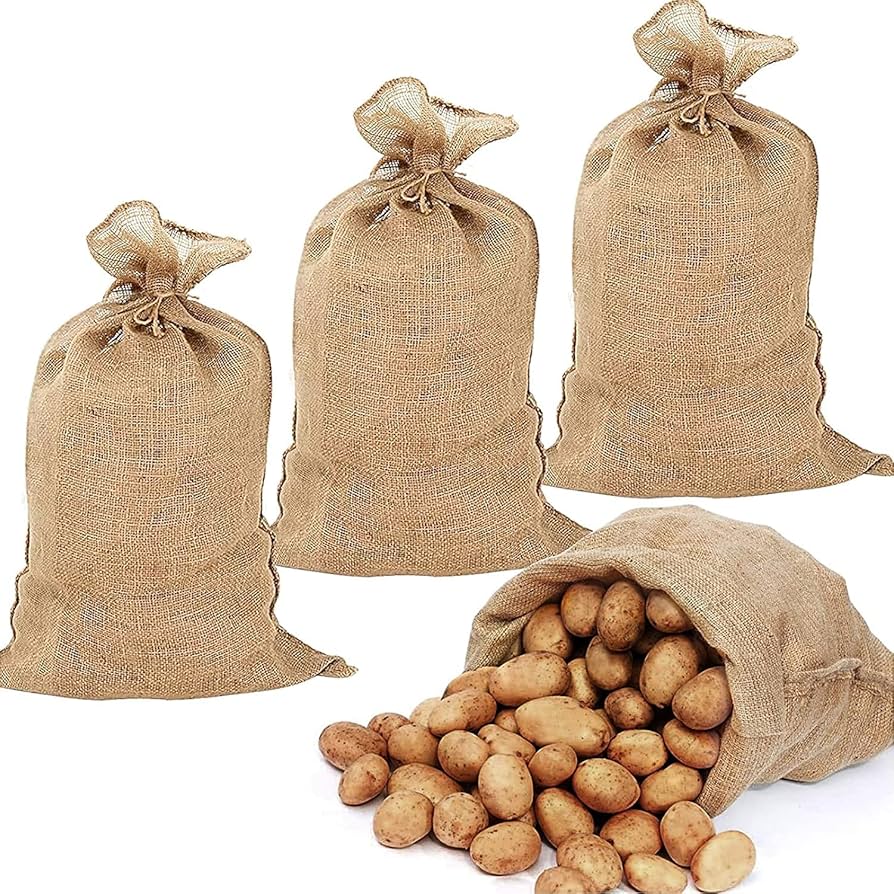
Rice, wheat, pulses and potatoes are commonly stored and transported in burlap sacks, where airflow through the weave helps regulate moisture and temperature.
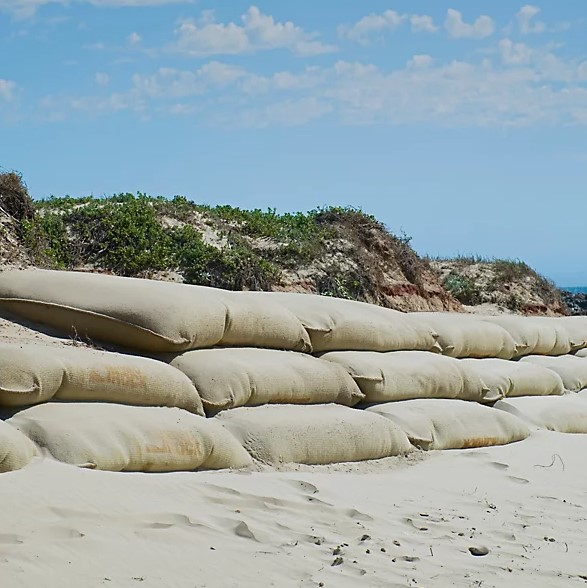
Filled burlap sacks hold soil in place during floods while still allowing water to drain, making them a longstanding choice for temporary barriers.
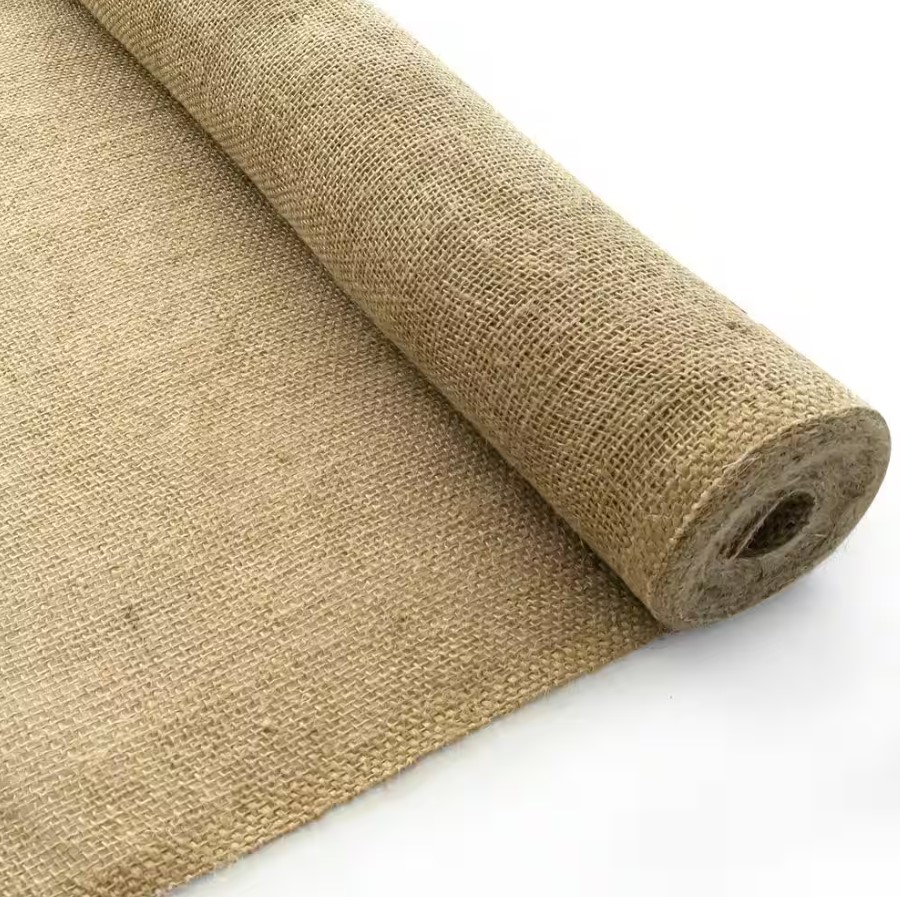
Dampened burlap retains moisture over curing concrete, helping the surface cure evenly and reducing the risk of cracking.
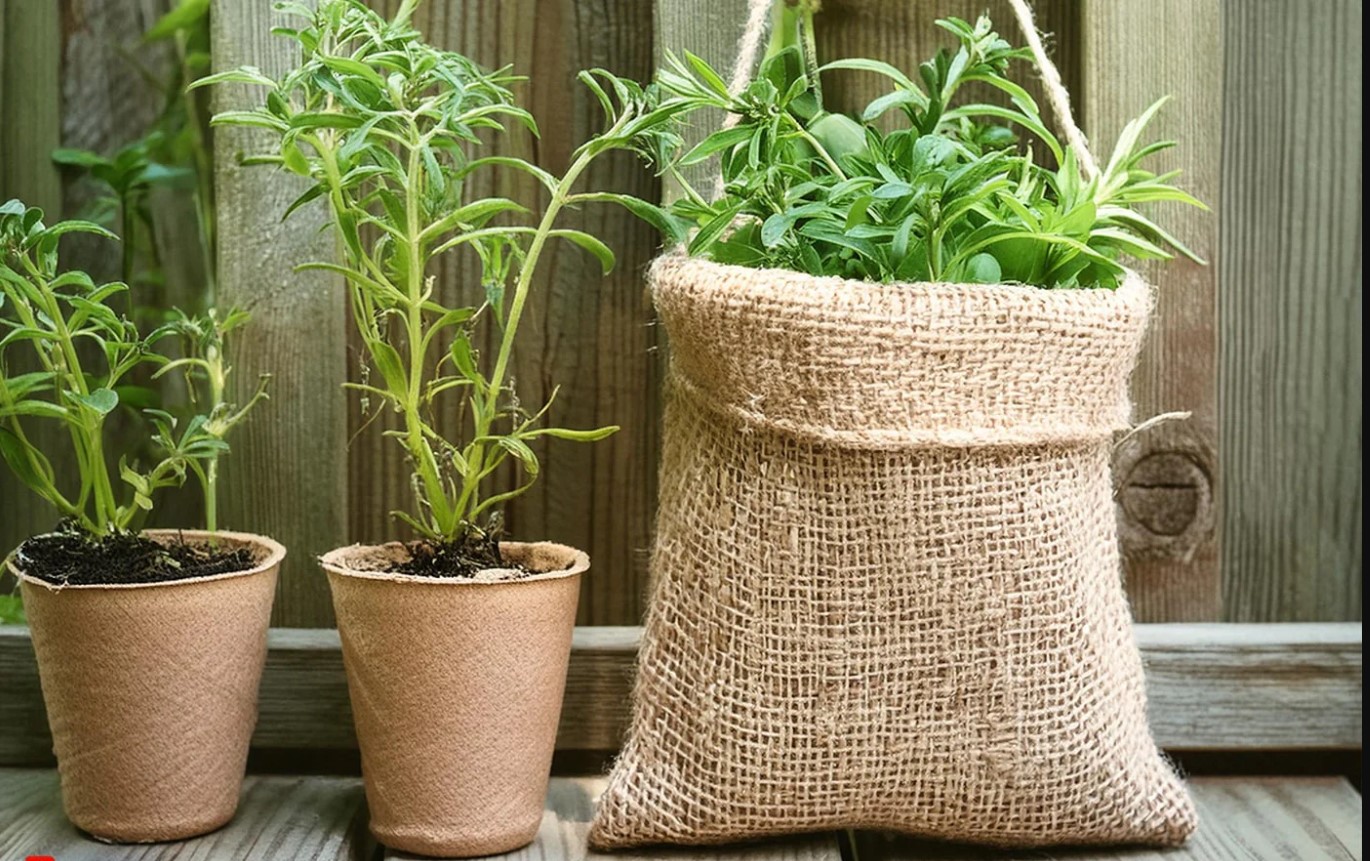
Nurseries wrap tree root balls in burlap for transport, and gardeners use burlap sheeting to shield young plants from frost and harsh sun.
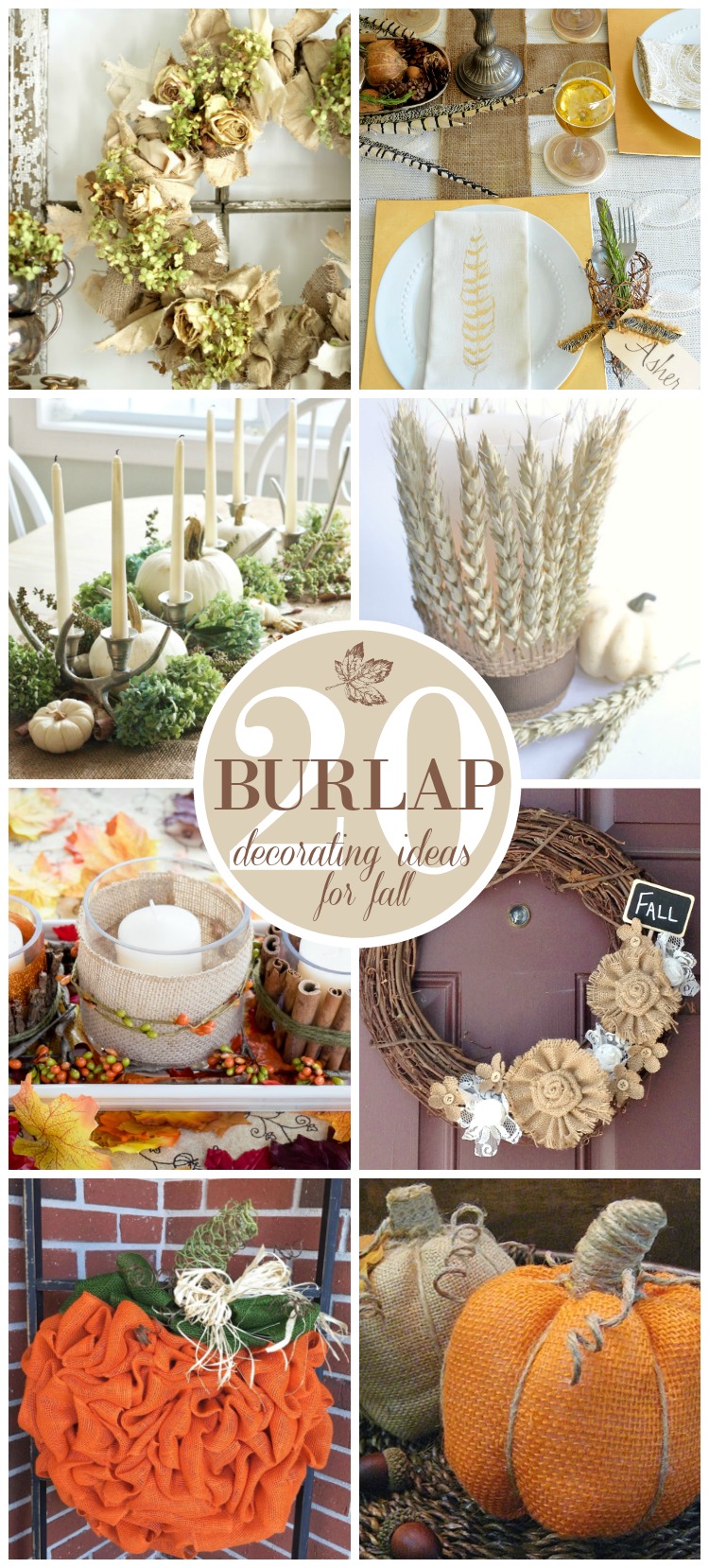
Rustic wedding décor, gift bags, table runners and DIY home projects lean on burlap's texture and natural, earthy color palette.
Burlap rewards basic care with a much longer working life. A little attention at the storage stage prevents the two things that actually kill a burlap sack early: moisture and pests.
| Material | Breathability | Biodegradable | Strength | Typical Cost |
|---|---|---|---|---|
| Burlap / Jute Sack | High | Yes, 1–2 years | Good, GSM-dependent | Low to moderate |
| Woven Polypropylene | Low | No | Very high | Low |
| Cotton Canvas Sack | Moderate | Yes, slower | Moderate | Higher |
| Non-Woven Bag | Low | No, petroleum-based | Low to moderate | Very low |
Comparisons are general guidance; actual performance varies by manufacturer, fabric weight and treatment.
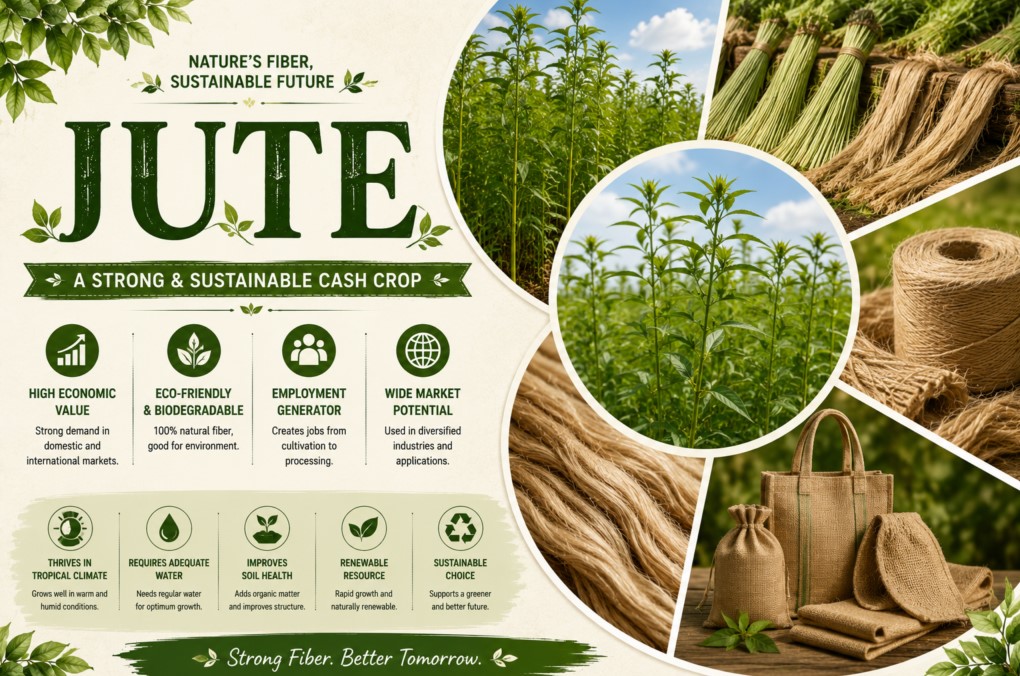
Jute is grown with minimal irrigation and little to no chemical fertilizer, which keeps its environmental footprint low compared to synthetic packaging inputs. A single hectare of jute plants absorbs a substantial amount of carbon dioxide over a growing season, and the finished fabric returns fully to the soil once it's retired, leaving no lasting plastic residue behind.
For brands and buyers looking to move away from single-use plastic sacking, burlap offers a genuinely renewable substitute rather than a "reusable plastic" workaround, since the raw material itself regenerates every growing season.
Burlap sacks are woven from jute fiber, a natural plant fiber harvested from the stalk of the jute plant. The fibers are spun into coarse yarn and woven using a loose plain weave, which is what gives burlap its rough hand and open, breathable structure.
Burlap and hessian refer to the same woven jute fabric, just named differently by region. Jute is the raw fiber the fabric is made from, and a gunny sack is a heavier-duty jute sack purpose-built for bulk agricultural or industrial transport.
Standard burlap generally falls between 180 and 300 GSM. Lightweight fabric around 100-180 GSM suits crafts and décor, 180-220 GSM works well for reusable retail bags, and anything above 220-300 GSM is better suited to grain, coffee, sandbags, or other heavy-duty jobs.
No. Burlap is breathable, not waterproof. It absorbs moisture rather than repelling it, which is actually useful for applications like concrete curing but means dry, ventilated storage is important for anything sensitive to dampness.
It depends heavily on GSM, weave density, and seam stitching. Many standard trade sacks are built to carry roughly 50-100 kilograms of bulk goods, and dense industrial-grade sacks above 250 GSM are engineered for significantly higher static loads.
Yes. Untreated jute burlap is fully biodegradable and typically breaks down naturally within one to two years in normal soil conditions, making it one of the more sustainable packaging materials on the market.
Yes, and reuse is common. With dry storage and basic inspection for holes, mold, or pest residue, a well-made burlap sack can be reused across multiple seasons before it's finally composted.
Food-grade sacks are processed and treated to hygiene standards appropriate for direct contact with grain, coffee, or cocoa. Industrial-grade sacks are optimized for raw strength and are used for sand, cement, and construction materials rather than consumables.
Now that you know what to look for, browse current burlap sack listings and compare grades, sizes, and prices.